The future stars of the pro peloton will once again gather in the Jeseníky mountains at the turn of May and June. In 2026, the Peace Race U23 enters a new era – instead of its former Nations’ Cup status, it will for the first time be part of the UCI Europe Tour calendar in category 2.2U, bringing national teams together with development squads of top pro outfits. Four stages from 28 to 31 May will once again serve up the traditional mountain terrain of Northern Moravia and a tough test for young riders aiming for the WorldTour.
“Opening the start list to development teams raises the level of competition, and thanks to a more diverse peloton, cycling fans can look forward to some spectacular battles between the sport’s brightest prospects – and, as always, on demanding roads in the Jeseníky mountains,” says Peace Race president Robert Kolář.
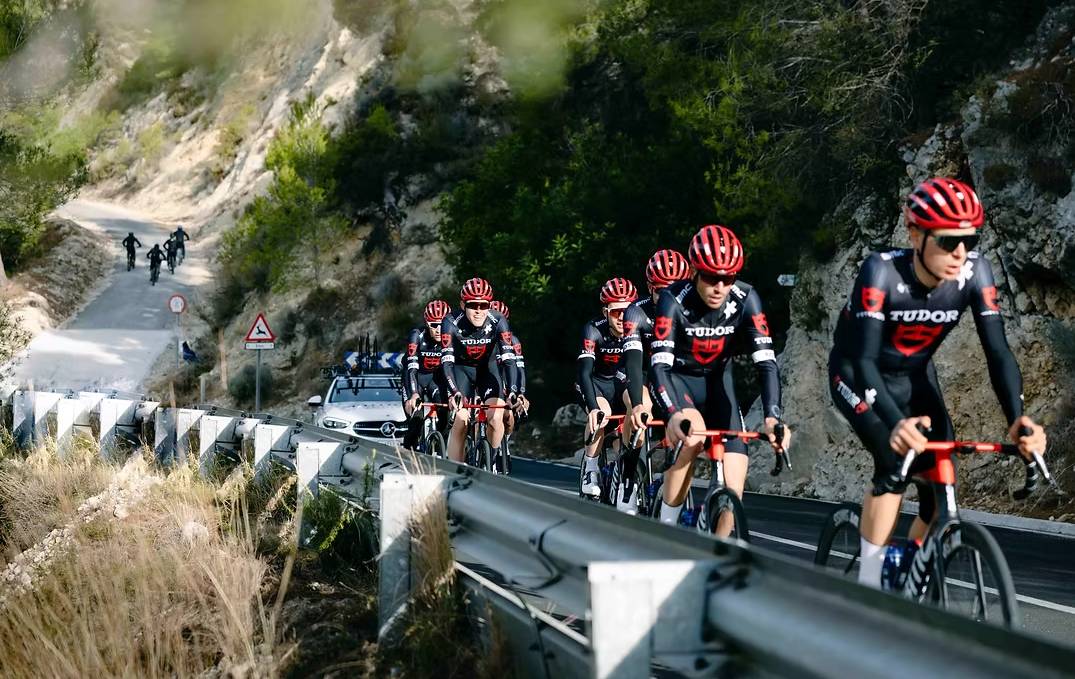
Among the first confirmed teams is Tudor Pro Cycling Team U23 – the development squad of the WorldTour team whose leader Marc Hirschi won last year’s Czech Tour. The Swiss project led by Fabian Cancellara is known for its focus on nurturing talent, and in the Jeseníky we can expect a confident showing from riders keen to follow in Hirschi’s wheeltracks on Czech roads.
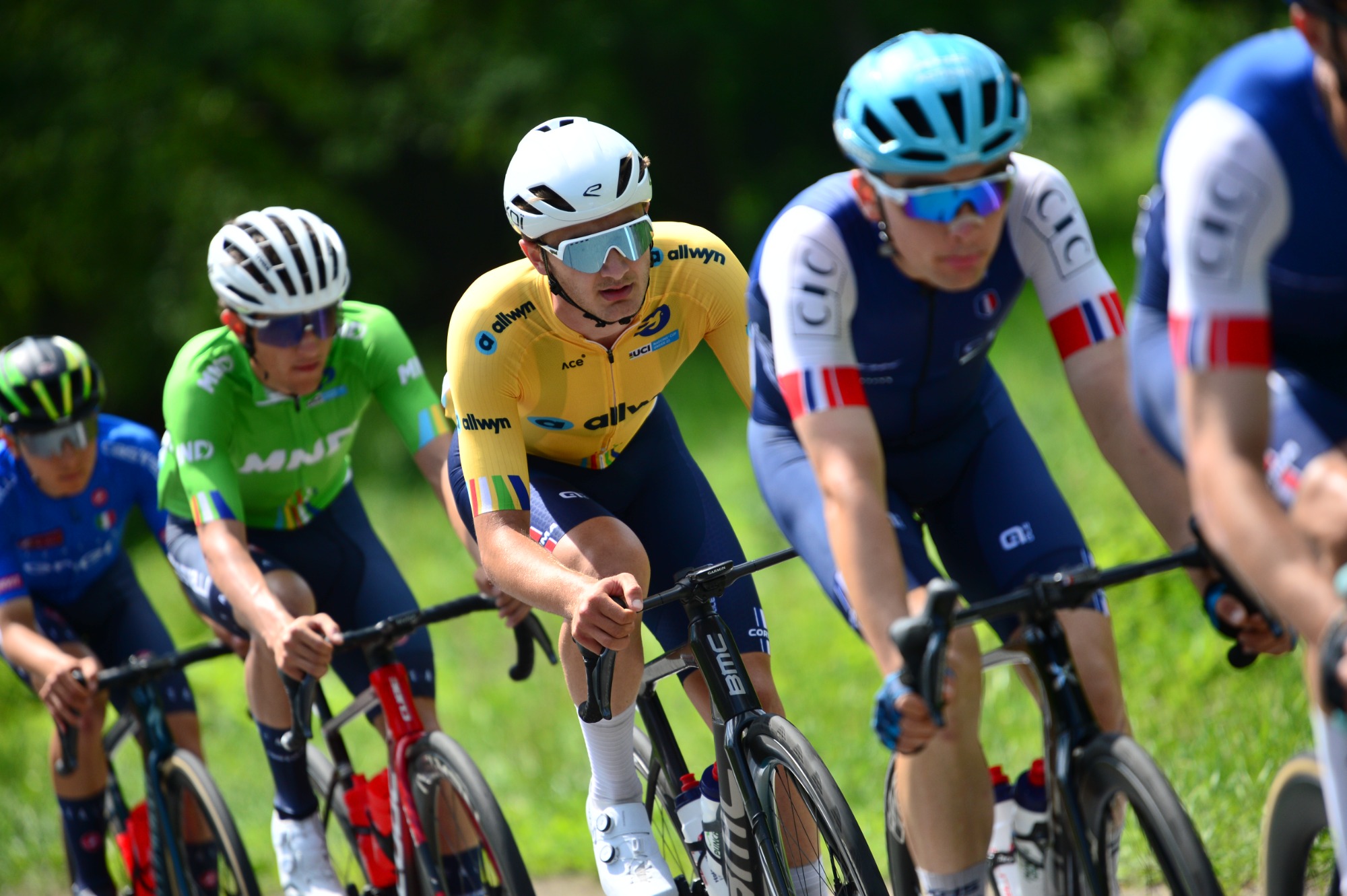
Adding a transatlantic flavour to the start list is Hagens Berman Jayco, long one of the standout U23 squads. All eyes will be on 20-year-old Ben Wiggins – son of Olympic champion and Tour de France winner Bradley Wiggins. He carries a famous name, but his results in recent seasons show he’s certainly not just “riding on his dad’s reputation”. He already raced the Peace Race two years ago, opting for the Baby Giro last season.
National teams will also form a strong backbone of the peloton. Squads from Poland, Austria, Slovenia, Ukraine, Denmark, Germany, Slovakia, Belgium and the USA have already confirmed their participation – a mix of traditional cycling powerhouses and countries that have heavily invested in youth development in recent years. For all of them, the Peace Race will once again be a stern examination of resilience and readiness to step up to the professional ranks; history shows this is where names like Tadej Pogačar and Jonas Vingegaard – today’s Tour de France stars – first emerged.
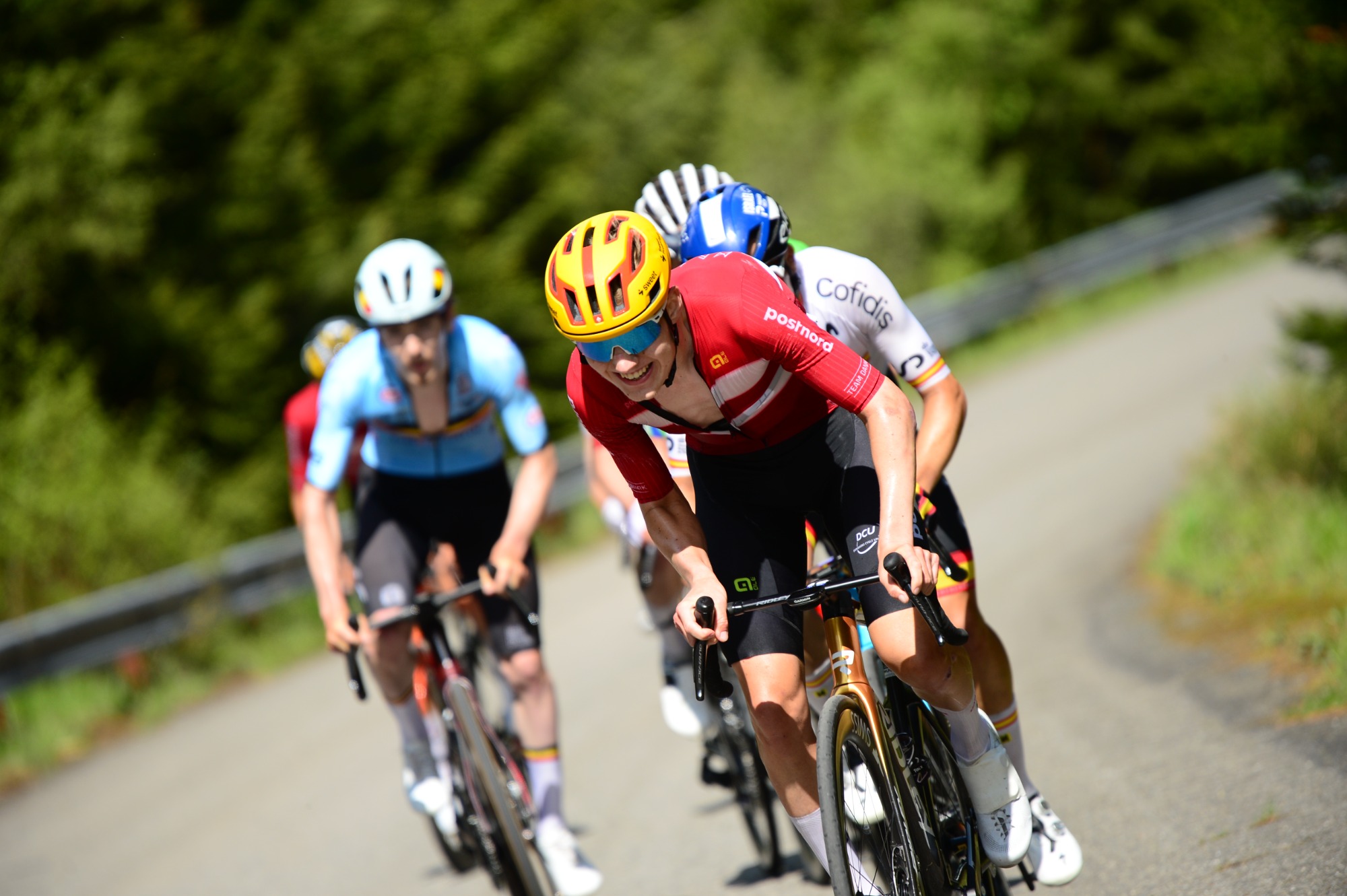
The four-day race format remains, but the composition of the start list and the organisers’ ambitions are shifting. The combination of national teams with WorldTour and ProTeam development squads promises even fiercer competition and more dynamic racing. The profile of the Jeseníky stages will, as ever, test climbing ability and team tactics. Fans can look forward not only to a battle for the yellow jersey, but also to spotting the new names who may be fighting for victories in the sport’s biggest races a few years from now.